 731-225-0456
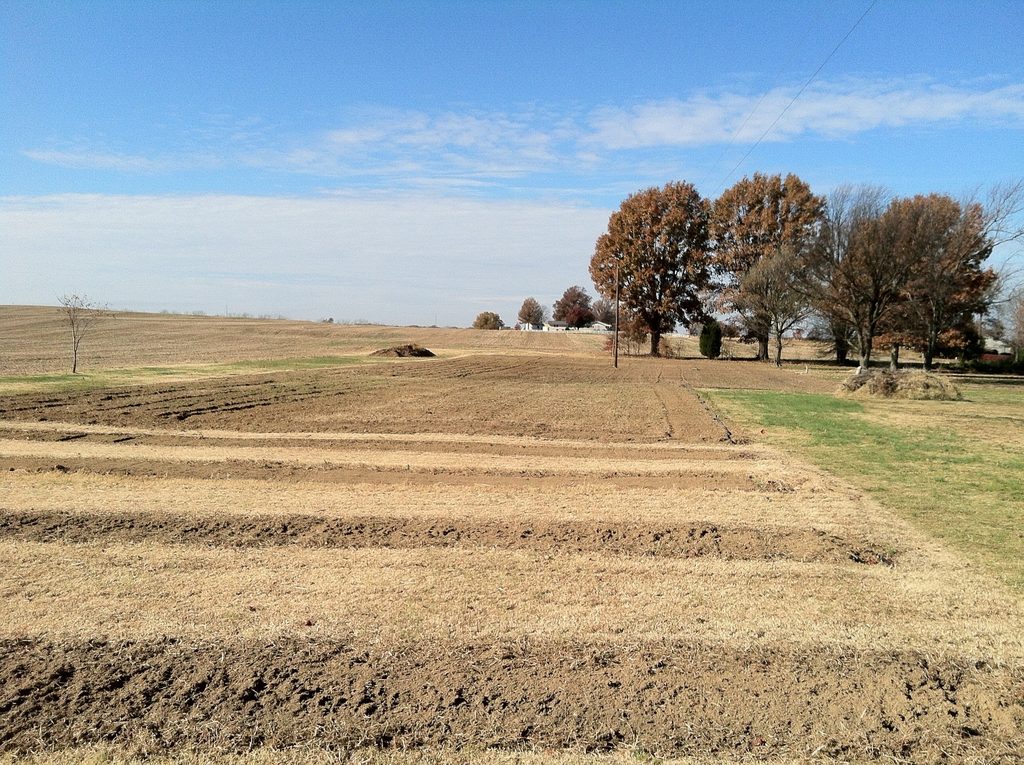
Everything Starts with the Soil
For us at Dixie Chile Ranch, the work starts now to grow great-tasting tomatoes; firm, large, flavorful peppers, sweeter blueberries, healthier fruit, and fewer weeds next year. Fall and early winter are the perfect time to rebuild and protect our soil so it’s ready to produce abundant crops in the spring. Think of soil preparation as an investment that pays dividends all season long.
We start by cleaning up the fields after harvest and removing any plant and weed debris along with tomato and pepper stakes, cucumber trellises and removing the plastic mulch. At the Dixie Chile Ranch, we burn all removed plant and weed material to prevent carryover of any plant diseases into next year’s crops. This is also when we make notes about what crops grew where so we can rotate plant families next season and reduce pest and disease pressure.
As winter approaches, we develop a crop rotation plan for next year. Rotating tomatoes, peppers, beans, squash, and other crop families helps break pest and disease cycles while balancing nutrient demands.
Once we have laid out where crops are going to be grown next year, we take soil samples for each specific type of vegetable or fruit that will be grown in each field and send them to a Soil Analysis Lab. A simple soil test reveals pH levels and nutrient availability, allowing us to add only the amendments our soil actually needs to grow a specific crop. This saves us from wasting money on fertilizers and nutrients that aren’t necessary. A soil test provides a clear roadmap for improving soil fertility, which increases the quality of what we grow.
Once we know what our soil needs, we’ll add organic matter, leaves, mulch, and compost that help improve soil structure, drainage, water retention, and biological activity through the winter. Then, as we get a month from planting, we’ll add the soil analysis’s recommended amendments. Healthy soil is alive with beneficial microbes that support plant growth.
One of our most important fall practices is planting a cover crop. Cover crops such as cereal rye, crimson clover, oats, hairy vetch, and daikon radish protect bare soil from erosion, improve soil structure, add organic matter, and help recycle nutrients. They also provide one of the best natural methods of weed suppression. A dense cover crop shades the soil surface and prevents weed seeds from germinating.
Weed management needs to be a year-round priority. Ideal goal: never allow weeds to mature and produce seed. Pull, mow, or cultivate them before they flower. Every weed prevented from setting seed means thousands fewer weeds to fight in future years. Mulching bare areas with straw, leaves, or wood chips also helps block sunlight and suppress weed germination. Deep-rooted cover crops naturally loosen compacted soil and improve root penetration for future crops.
Productive farms begin with healthy soil. By testing, feeding, protecting, covering, and managing our soil this fall and winter, the foundation is laid for stronger plants, fewer weeds, and higher yields next growing season.
As farmers like to say, “Take care of your soil, and your soil will take care of your harvest.” And you can quote me on that.
For more information, click here: Dixie Chile Ranch
WE ARE HONORED TO BE YOUR FARMER
Tim Brady
Head Chile Wrangler
Dixie Chile Ranch


